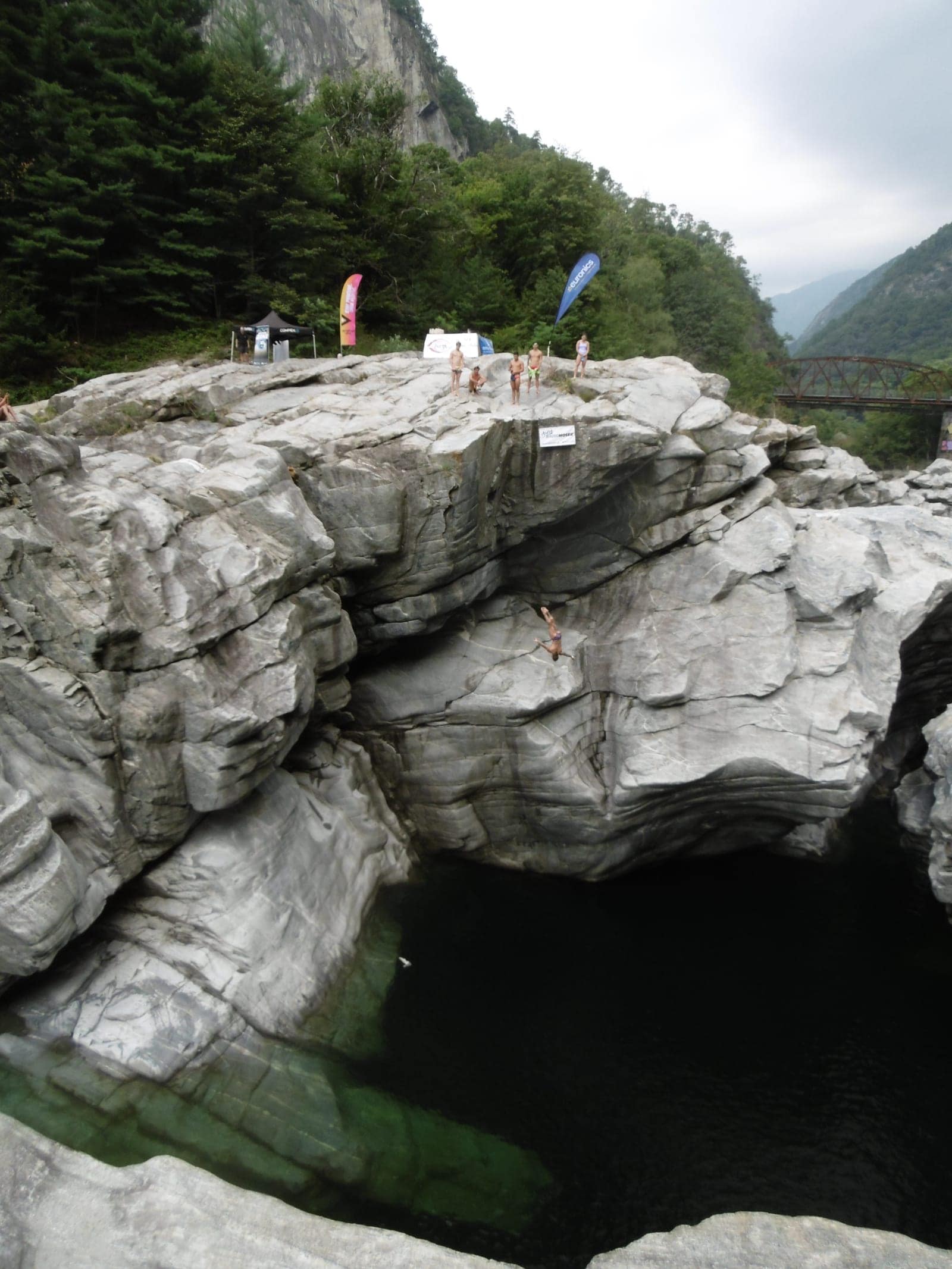
Aidan Heslop stepped off a mine cliff on Sardinia's south-west coast and into open air. Twenty-seven metres below lay the Mediterranean. Three seconds of freefall, a forward quadruple somersault with three and a half twists, a near-vertical entry. It is a dive rated at a 6.2 degree of difficulty, among the hardest attempted in the discipline. The judges returned 139.50 points. Gold belonged to the Briton.
How Porto Flavia was won
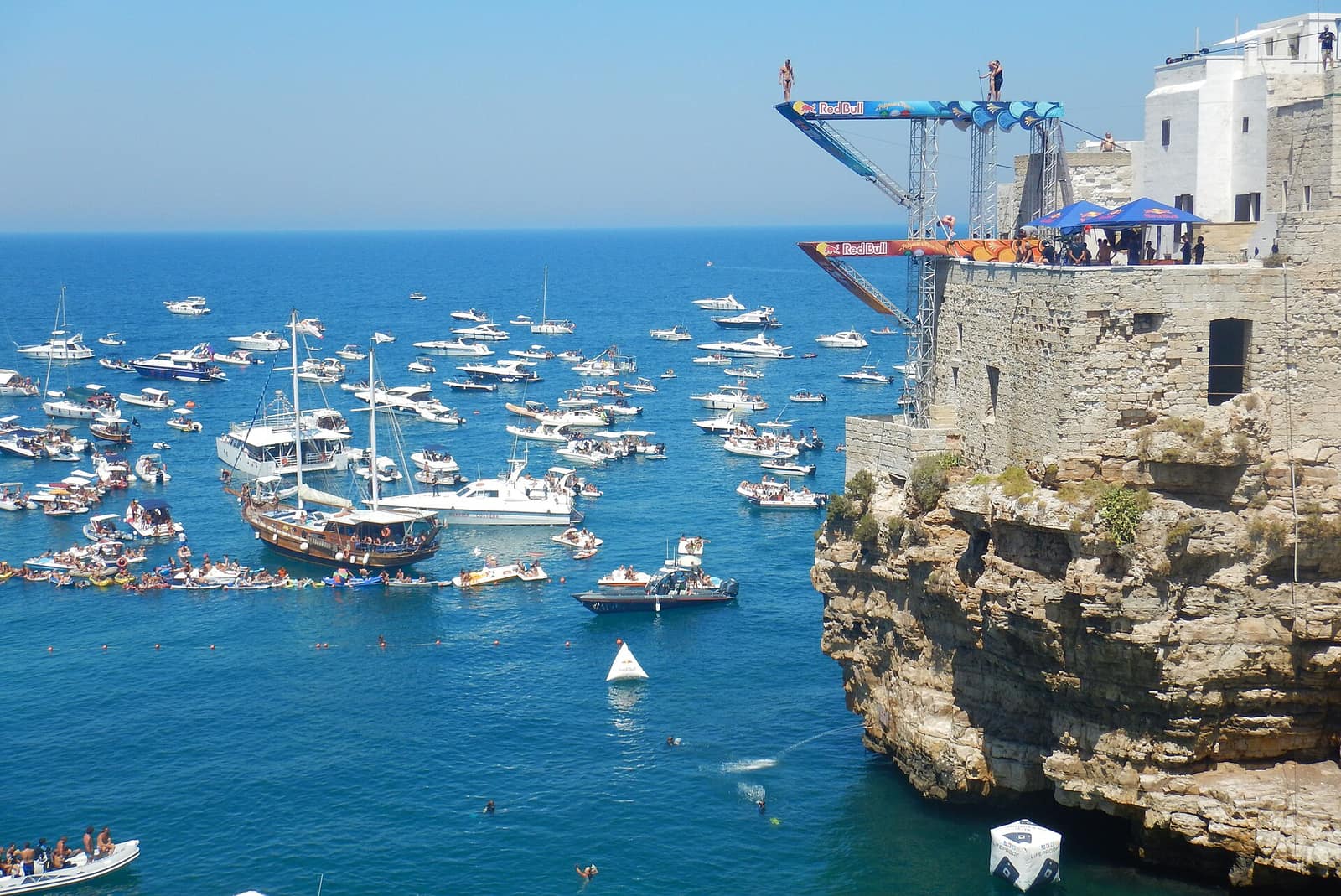
The setting was the World Aquatics High Diving World Cup at Porto Flavia, staged at a historic mining site above the sea near Iglesias. It drew thirty-seven athletes from seventeen nations, the men leaping from twenty-seven metres, the women from twenty. In freefall the divers reach speeds beyond eighty-five kilometres an hour, with barely three seconds to shape rotation and line before the water.
Heslop had built a lead over the opening rounds and protected it to the last. His closing dive, the one with the punishing coefficient, sealed the result and left him first on 445.70 points. Behind him the fight for the remaining medals turned late. James Lichtenstein of the United States moved past Constantin Popovici after the second compulsory dive, then answered Heslop with a free dive of comparable weight. The American took silver on 421.40. Popovici of Romania held bronze on 401.40. The margins were slim where they mattered, and Heslop's difficulty carried the day.